


Lord Ram Idols and Statues
Sort by
1 product
Frequently Asked Questions (FAQs)
Lord Ram Idols and Statues
Q1: What are the benefits of choosing an alloy metal statue?
Alloy metal is highly durable, lightweight, and rust-resistant. It allows for much finer detailing in the idol’s facial features and clothing compared to traditional materials, providing a premium metallic shine that lasts for years.
Q2: Which direction should I face the Lord Ram statue?
The most recommended direction is the Northeast or East. The idol should ideally face West or Southwest, allowing the devotee to face the spiritually auspicious North or East directions while praying.
Q3: Is the Ayodhya Ram Lalla idol available in this collection?
Yes, our Ram Lalla Idol Statue is one of our most popular pieces. It captures the divine "Bal Roop" (child form) of Lord Ram with the same spiritual essence as the idol in the Ayodhya Mandir.
Q4: How do I clean my metal idol if it looks dull?
Simply wipe it with a clean, damp cloth and then use a dry cloth to buff it immediately. Avoid using lemon or vinegar on alloy metals unless specified, as the acidity can damage the protective polish.
Q5: Are these idols hollow or solid?
Most of our Alloy Metal Statues are cast to be sturdy yet manageably lightweight, ensuring they are easy to place on glass shelves or wooden pedestals without risk.
____________________________________________________________________
Q1: अलॉय मेटल की मूर्ति चुनने के क्या फायदे हैं?
अलॉय मेटल अत्यधिक टिकाऊ, हल्का और जंग-रोधी होता है। यह पारंपरिक सामग्रियों की तुलना में मूर्ति के चेहरे और कपड़ों में बहुत बारीक नक्काशी की अनुमति देता है, जिससे एक प्रीमियम धात्विक चमक मिलती है जो वर्षों तक बनी रहती है।
Q2: भगवान राम की मूर्ति का मुख किस दिशा में होना चाहिए?
सबसे अनुशंसित दिशा उत्तर-पूर्व या पूर्व है। मूर्ति का मुख अधिमानतः पश्चिम या दक्षिण-पश्चिम की ओर होना चाहिए, जिससे प्रार्थना करते समय भक्त का मुख आध्यात्मिक रूप से शुभ उत्तर या पूर्व दिशा की ओर रहे।
Q3: क्या मैं इन मूर्तियों का उपयोग अपनी कार के डैशबोर्ड पर कर सकता हूँ?
कार डैशबोर्ड के लिए, हम अपनी 2-4 इंच की छोटी मूर्तियों की सलाह देते हैं, जैसे कि स्माल राम लल्ला। ये हल्की हैं और बिना दृश्य बाधा के छोटे स्थानों में फिट होने के लिए डिज़ाइन की गई हैं।
Q4: क्या इस कलेक्शन में अयोध्या राम लल्ला की मूर्ति उपलब्ध है?
हाँ, हमारी राम लल्ला मूर्ति हमारे सबसे लोकप्रिय पीस में से एक है। यह भगवान राम के उसी "बाल रूप" को कैद करती है जैसा कि अयोध्या मंदिर की मूल मूर्ति में है।
Q5: क्या ये मूर्तियाँ खोखली हैं या ठोस?
हमारी अधिकांश अलॉय मेटल मूर्तियाँ इस तरह बनाई जाती हैं कि वे मजबूत होने के साथ-साथ वजन में हल्की रहें, जिससे उन्हें बिना किसी जोखिम के कांच के शेल्फ या लकड़ी के स्टैंड पर रखना आसान हो जाता है।
Eternal Grace: Handcrafted Lord Ram Idols & Alloy Metal Statues
Invite righteousness and peace into your home with the ApkaMart Lord Ram Statues collection, where sacred tradition meets artistic excellence. We believe that a deity's idol should be as resilient and timeless as the virtues it represents. Our collection is exclusively crafted from high-grade alloy metal, providing a sophisticated look with an antique finish that is resistant to rust and tarnish. Whether you are seeking a Ram Lalla Idol for your daily prayers or a larger-than-life Ram Darbar for your living room, these pieces are designed to radiate positive energy and Vastu harmony.
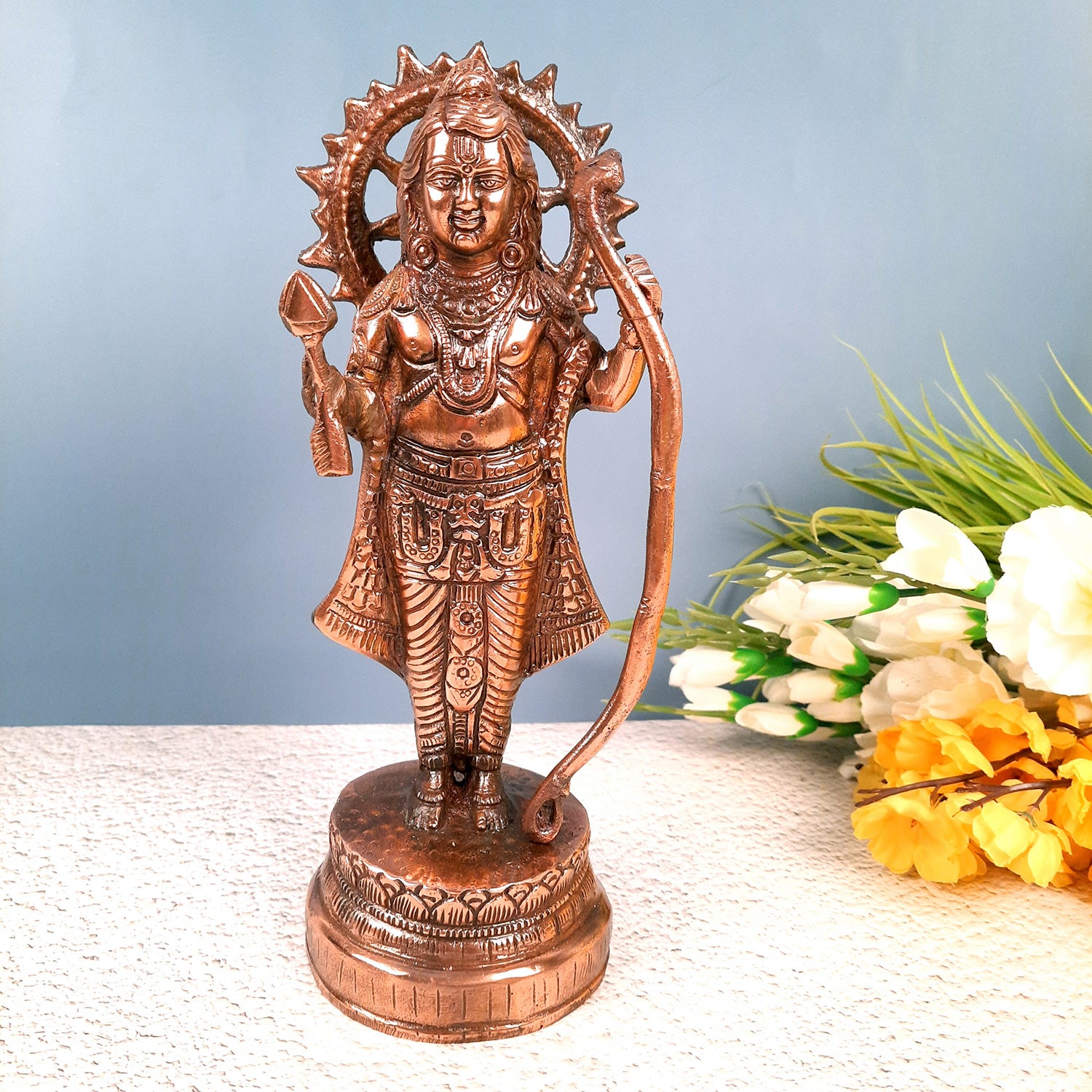
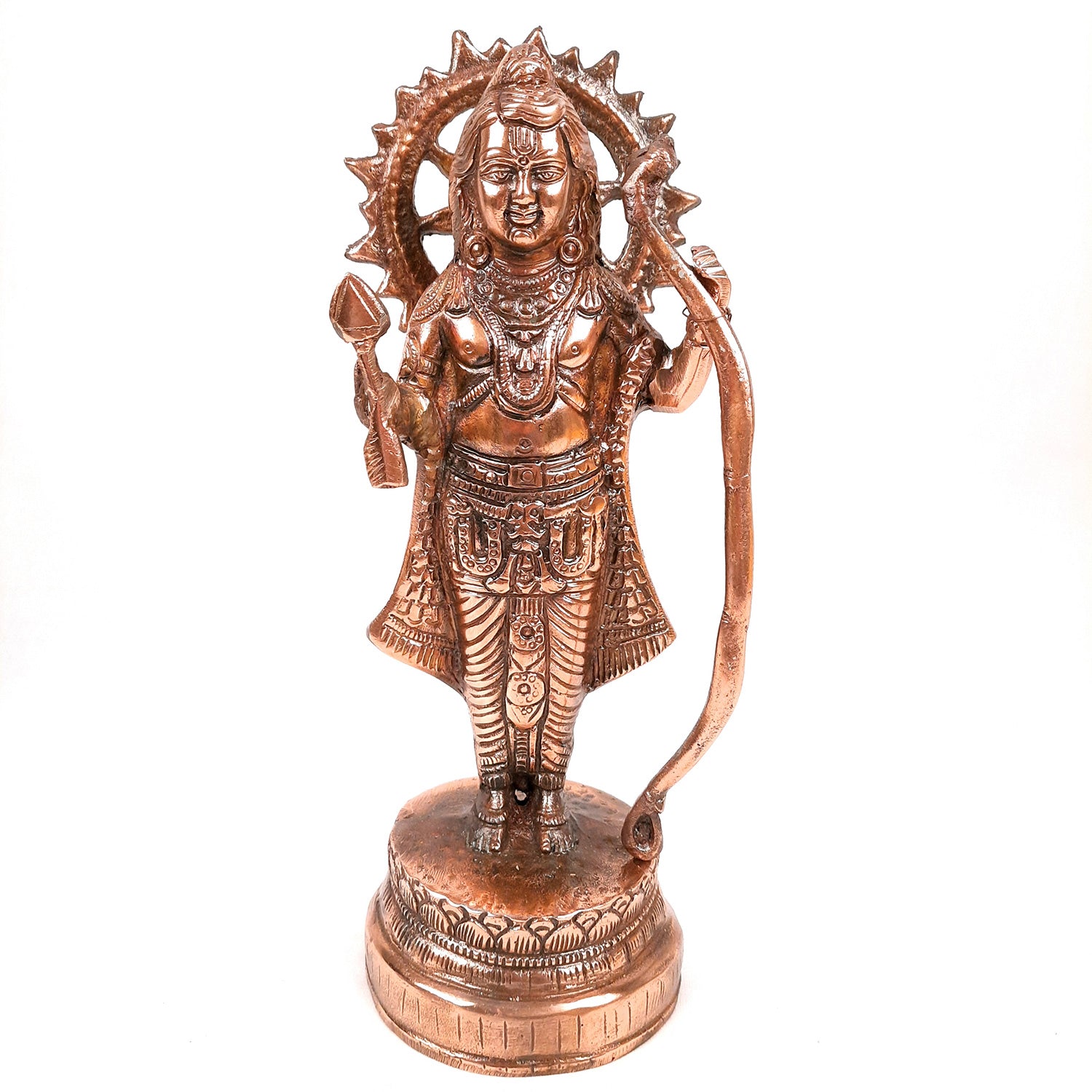
The Lord Ram Idols & Statues Collection at ApkaMart is a curated selection of spiritual masterpieces, designed to bring the divine aura of Maryada Purushottam into your sanctuary. This collection is defined by the use of high-quality alloy metal, which offers a premium metallic luster and exceptional durability for your home temple or living space. From the serene Ram Lalla Idol Statue inspired by the Ayodhya Mandir to majestic standing figures, each statue is a testament to traditional Indian craftsmanship and spiritual devotion.
Divine Craftsmanship: The Beauty of Alloy Metal
Our collection focuses on the use of alloys, specifically chosen for their ability to hold intricate details.
- Lustrous Finishes: Each statue is treated with high-quality polishes, ranging from oxidized gold to ristic copper, ensuring that the divine features of Lord Ram are highlighted with a timeless glow.
- Lifelong Durability: Unlike clay or resin, alloy metal statues do not break easily and are resistant to environmental wear, making them ideal family heirlooms.
- Detailed Iconography: Artisans meticulously carve every detail, from the Kodanda bow held by Lord Ram to the serene expressions that symbolize his calm and just nature.
Spiritual Significance and Vastu
Placing a Lord Ram Statue in your home is believed to bring discipline, moral strength, and a protective aura.
- Ideal Placement: According to Vastu, the Northeast (Ishaan Kona) or East is the most auspicious direction for placing a Ram idol, as it aligns with the solar energy of the Surya-vansha lineage.
- Harmony in Home: A Ram Darbar Idol represents the ideal family bond, helping to foster unity and love among family members when placed in a clean, elevated area like the Pooja room or a quiet corner of the living room.
Perfect for Gifting
A statue of Lord Ram is more than a decorative item; it is a gift of dharma and protection.
- Auspicious Occasions: These Alloy Metal Idols are highly sought after for Housewarmings (Griha Pravesh), Weddings, and Diwali, serving as a meaningful reminder of spiritual values.
- Corporate & Professional Gifts: For office spaces, a small Ram statue symbolizes ethical leadership and success, making it a thoughtful gift for business partners.
Care & Maintenance Tips
- Gentle Dusting: Regularly use a soft, dry microfiber cloth to remove dust from the intricate carvings of the Ram Lalla Murti.
- Avoid Moisture: To maintain the alloy's specialized antique coating, keep the statue away from damp areas. If it comes in contact with water, dry it immediately with a clean cloth.
- No Chemicals: Refrain from using harsh detergents or metal cleaners, as these can strip the polish and damage the metal's surface over time.
शाश्वत कृपा: हस्तशिल्प भगवान राम की मूर्तियाँ और अलॉय मेटल स्टैचू
ApkaMart भगवान राम मूर्ति कलेक्शन के साथ अपने घर में धार्मिकता और शांति का स्वागत करें, जहाँ पवित्र परंपरा और कलात्मक उत्कृष्टता का मिलन होता है। हमारा मानना है कि किसी भी देवता की मूर्ति उतनी ही लचीली और कालातीत होनी चाहिए जितने कि वे गुण जिनका वह प्रतिनिधित्व करती है। हमारा यह संग्रह विशेष रूप से उच्च श्रेणी के अलॉय मेटल (Alloy Metal) से तैयार किया गया है, जो एक परिष्कृत एंटिक फिनिश प्रदान करता है जो जंग और धुंधलेपन के प्रति प्रतिरोधी है। चाहे आप अपनी दैनिक प्रार्थनाओं के लिए राम लल्ला की मूर्ति की तलाश कर रहे हों या अपने लिविंग रूम के लिए एक भव्य राम दरबार, ये पीस सकारात्मक ऊर्जा और वास्तु सद्भाव फैलाने के लिए डिज़ाइन किए गए हैं।
दिव्य कारीगरी: अलॉय मेटल की सुंदरता
हमारा संग्रह विशेष रूप से एल्युमिनियम और जिंक मिश्र धातुओं के उपयोग पर केंद्रित है, जिन्हें बारीक विवरणों को उभारने की उनकी क्षमता के लिए चुना गया है।
- शानदार फिनिश: प्रत्येक मूर्ति को उच्च गुणवत्ता वाले पॉलिश से उपचारित किया जाता है, जो ऑक्सीडाइज्ड गोल्ड से लेकर रस्टिक कॉपर तक होती है, जिससे भगवान राम की दिव्य विशेषताएं एक कालातीत चमक के साथ उभरती हैं।
- लंबे समय तक चलने वाली मजबूती: मिट्टी या रेजिन के विपरीत, अलॉय मेटल की मूर्तियाँ आसानी से नहीं टूटतीं और पर्यावरणीय प्रभावों के प्रति प्रतिरोधी होती हैं, जो उन्हें अगली पीढ़ी को सौंपने के लिए आदर्श बनाती हैं।
- विस्तृत नक्काशी: कारीगर भगवान राम द्वारा धारण किए गए कोदंड धनुष से लेकर उनके शांत और न्यायप्रिय स्वभाव के प्रतीक चेहरे के भावों तक, हर विवरण को बारीकी से उकेरते हैं।
आध्यात्मिक महत्व और वास्तु
माना जाता है कि घर में भगवान राम की मूर्ति रखने से अनुशासन, नैतिक शक्ति और एक सुरक्षात्मक आभा आती है।
- सही दिशा: वास्तु के अनुसार, राम मूर्ति रखने के लिए उत्तर-पूर्व (ईशान कोण) या पूर्व दिशा सबसे शुभ होती है, क्योंकि यह सूर्यवंश कुल की सौर ऊर्जा के साथ मेल खाती है।
- घर में सद्भाव: एक राम दरबार मूर्ति आदर्श पारिवारिक बंधन का प्रतिनिधित्व करती है, जो घर के सदस्यों के बीच एकता और प्रेम को बढ़ावा देने में मदद करती है।
रखरखाव और सावधानी
- हल्की सफाई: राम लल्ला की मूर्ति की बारीक नक्काशी से धूल हटाने के लिए नियमित रूप से मुलायम, सूखे माइक्रोफाइबर कपड़े का उपयोग करें।
- नमी से बचाव: धातु की विशेष एंटिक कोटिंग को बनाए रखने के लिए, मूर्ति को नमी वाले क्षेत्रों से दूर रखें। यदि यह पानी के संपर्क में आती है, तो इसे तुरंत सूखे कपड़े से पोंछ लें।
- रसायनों का प्रयोग न करें: कठोर डिटर्जेंट या मेटल क्लीनर के इस्तेमाल से बचें, क्योंकि ये पॉलिश को खराब कर सकते हैं और समय के साथ धातु की सतह को नुकसान पहुँचा सकते हैं।
Free shipping
We offer free shipping in India for all order values.
Free COD
Free COD option available on purchase of Rs. 300 & above.
Super Easy Returns
We follow 7 days super easy returns policy.
Secure payment
Your security is our priority. We follow Best Practices!
Customer service
Call us on 08696442220/3330. No IVR redirects.
Stay in the loop!
Newsletter
Subscribe to our weekly newsletter and receive exclusive offers on products you love!


