


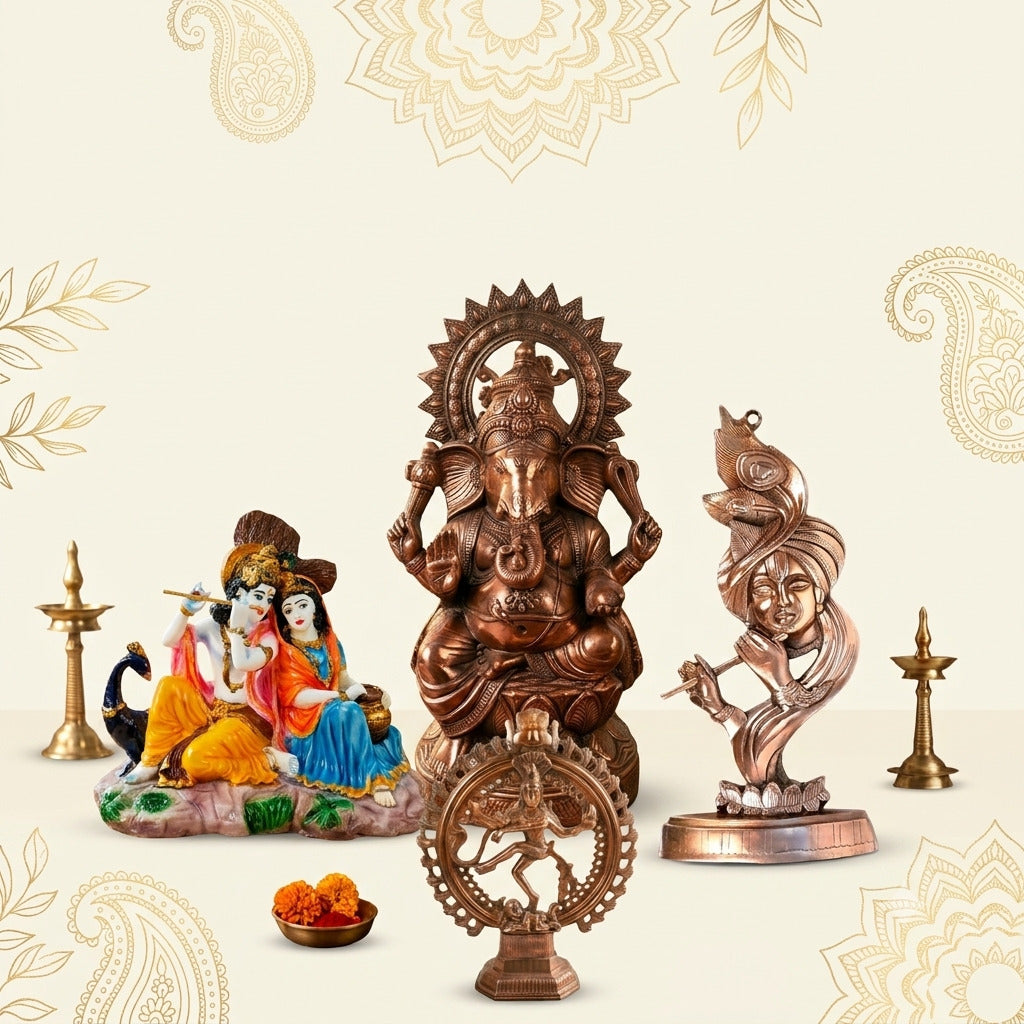
Which Idol Should You Buy? Your Most Common Questions About Pooja Idols & Statues Answered
Standing in front of a shelf full of Ganesh idols and Lakshmi statues, wondering which one is "the right one," is a moment almost every Indian household has experienced. Should it be alloy or resin? Big or small? Does the size even matter for Vastu? If you've ever felt unsure while picking a pooja idol — whether for your own home or as a gift — this guide answers the questions people ask most often, so you can buy with confidence.
Understanding Pooja Idols Before You Buy
Choosing the right pooja idol involves more than just appearance — material, size, and placement all matter. Whether you're looking for a Ganesh idol, a Lakshmi statue, or general statues & idols for your home temple, understanding the basics of spiritual decor helps you make a confident choice. This guide answers the most common questions buyers have before purchasing idols in India.
Should You Buy a Ganesh Idol or a Lakshmi Statue First?
This is easily one of the most common questions among first-time buyers, especially those setting up a new home temple.
Which Idol Is Considered More Auspicious to Start With?
Lord Ganesh is traditionally worshipped first in Hindu rituals, as he is believed to remove obstacles before any new beginning — which is why most households start their pooja corner with a Ganesh idol. Goddess Lakshmi, worshipped for wealth and prosperity, is often added alongside or shortly after, especially around Diwali. Many buyers eventually choose both together, since Ganesh and Lakshmi are frequently worshipped as a pair — Ganesh for wisdom and new beginnings, Lakshmi for abundance and prosperity. If you're only buying one to start, a Ganesh idol is the more commonly recommended first choice for a new home or office.


Alloy vs Resin Idol: Which Material Should You Choose?
Once you've decided which deity to bring home, the next big question is almost always about material — and this is where most buyers get stuck.
What Is the Difference Between Alloy and Resin Idols?
An alloy idol is crafted from a durable metal blend, giving it a warm golden or antique finish, more weight, and excellent long-term durability — alloy statues can hold their shine and shape for years with minimal upkeep. A resin idol, on the other hand, is lighter in weight and allows for finer, more intricate detailing, since resin can be molded into delicate features and expressions that are harder to achieve in metal. Resin idols are also generally more budget-friendly, making them a popular choice for buyers who want detailed craftsmanship without a heavier price tag. Neither material is "better" in a spiritual sense — the choice mostly comes down to personal preference, the look of your pooja corner, and whether you prioritize weight and durability or fine detailing and affordability.
Which Material Lasts Longer, Alloy or Resin?
Alloy idols tend to hold up better against daily handling, humidity, and frequent movement during rituals, making them a practical choice for idols that are worshipped and touched regularly. Resin idols are slightly more delicate and are best suited for a fixed spot in the home temple where they won't be moved or handled too often. If you're buying for daily worship with frequent handling, alloy is usually the sturdier, longer-lasting option, while resin works beautifully for display-focused placements.


Idol Size Guide: What Size Statue Fits Your Home
Size is another question that trips up a lot of first-time buyers, especially when shopping online without being able to see the actual product in person.
What Size Idol Is Best for a Home Temple?
For most home temples or tabletop setups, a 6-inch to 12-inch idol works well — large enough to feel like a proper centerpiece, but compact enough to fit comfortably on a shelf or chowki. If you have a dedicated pooja room with more floor space, idols in the 14-inch to 24-inch range make a stronger visual statement and suit larger temples. For office desks or smaller apartment corners, a 6-inch to 9-inch idol is usually the most practical choice, offering a spiritual presence without taking up too much room.
Does the Size of the Idol Matter for Vastu?
Size itself isn't considered a major Vastu factor, but proportion matters — an idol that's too large for its surroundings can feel overwhelming, while one that's too small may get lost visually. The general Vastu guidance focuses more on placement direction and cleanliness than on exact size, so choose a size that fits your space comfortably and lets the idol be seen and worshipped with ease.


Common Vastu Questions About Idol Placement
Placement questions come up almost as often as material and size questions, especially from people setting up their first pooja corner.
Which Direction Should a Ganesh Idol or Lakshmi Statue Face?
As a general Vastu guideline, idols are best placed facing east or west, allowing the person praying to face east or north — directions considered auspicious for worship. The northeast corner of the home is widely regarded as the most favorable spot for a home temple altogether. It's also considered important to keep idols elevated on a chowki rather than placed directly on the floor, and to avoid placing them in bedrooms or near bathrooms.
Should You Add Vastu-Specific Idols and Wall Hangings Too?
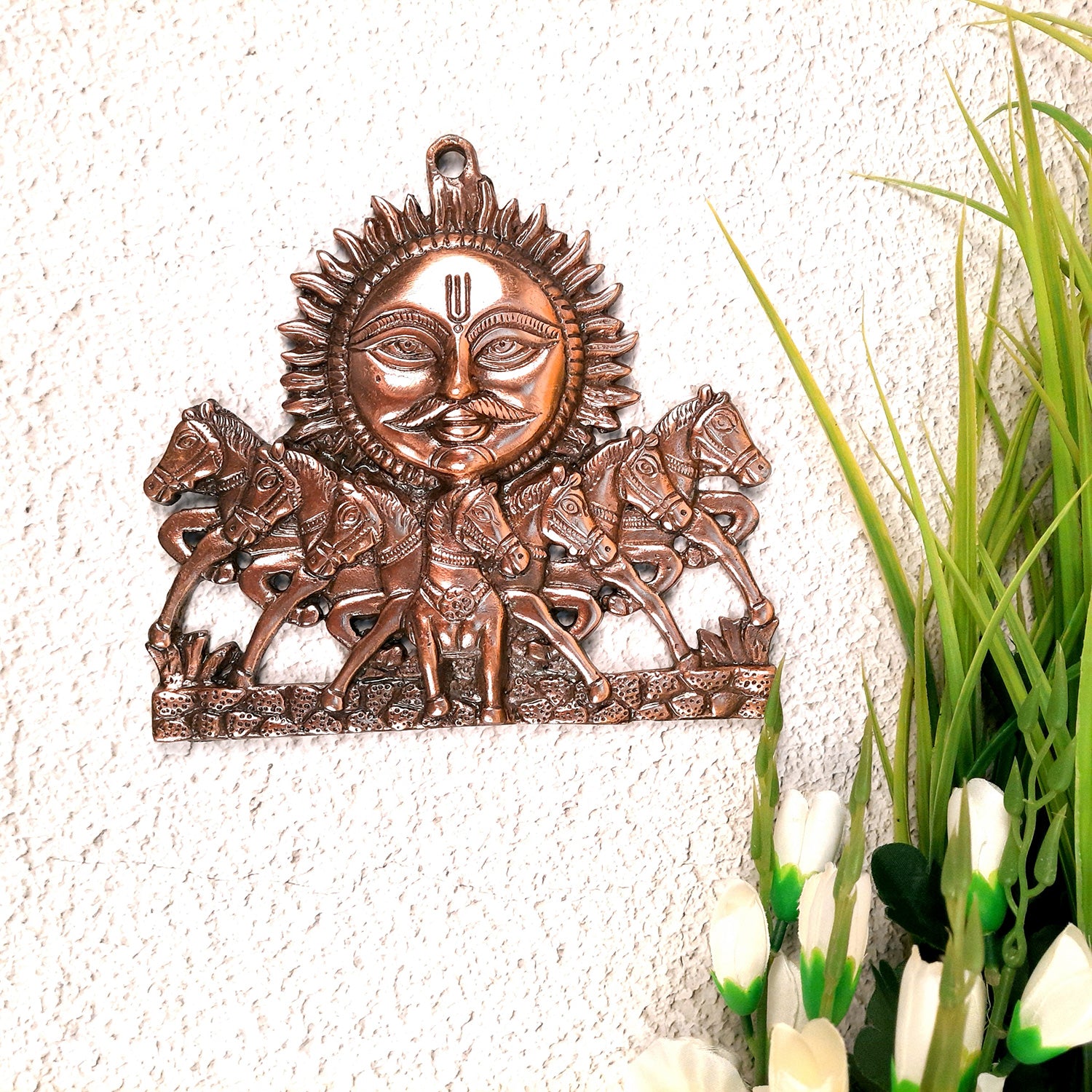
Alongside your main deity idols, many households also add Vastu-specific pieces like a Laughing Buddha, Sun with Seven Horses, or Om wall hangings, which are believed to bring balance and positive energy to specific areas of the home. These Vastu idols and wall hangings work well as complements to your main pooja corner rather than replacements, and are available in the same alloy and resin finishes for a cohesive look throughout your spiritual decor.
Gifting Idols in India: What You Should Know
Idols make popular gifts, but there are a few etiquette points worth knowing before you buy one for someone else.
Is It Appropriate to Gift a Ganesh Idol or Lakshmi Statue?
Yes, gifting idols in India is common and considered auspicious, especially for housewarmings, weddings, Diwali, and business openings. A Ganesh idol is a particularly safe and well-received gift, as it's associated with removing obstacles and blessing new beginnings — ideal for someone moving into a new home or starting a new venture. A Lakshmi statue works beautifully as a Diwali or wedding gift, symbolizing wealth and prosperity for the recipient's household.
What Should You Keep in Mind When Gifting an Idol?
Choose a size that suits a typical home shelf or chowki, since oversized idols can be difficult for the recipient to place. Alloy idols are often a safer gifting choice for daily worship spaces since they handle transit and regular touching well, while resin idols make an excellent gift when the recipient wants something finely detailed for display. It also helps to avoid idols with any visible damage or imperfections, as these are traditionally considered less auspicious to gift.


How to Care for Your Alloy or Resin Idol
Once you've made your choice, a little regular care keeps your idol looking beautiful for years. Alloy idols should be wiped with a soft, dry cloth to maintain their shine and prevent tarnishing — avoid using water or harsh cleaning agents, which can dull the finish over time. Resin idols benefit from a gentle wipe with a slightly damp cloth followed by immediate drying, to prevent moisture from settling into the fine detailing. Keep both types away from direct sunlight and excess humidity, and dust your home temple regularly to maintain the sanctity of the space.
Choosing the Right Idol With Confidence
Whether you're deciding between a Ganesh idol and a Lakshmi statue, weighing alloy versus resin, or figuring out the right size for your space, the "right" choice ultimately comes down to your home, your rituals, and your personal preference. There's no single correct answer — just the option that feels most meaningful and fits comfortably into your daily worship.
Ready to bring home your own piece of spiritual decor? Explore the full range of statues & idols at ApkaMart and find the perfect Ganesh idol or Lakshmi statue for your home or your next gift.

Written by Apka Mart




Leave a comment
This site is protected by hCaptcha and the hCaptcha Privacy Policy and Terms of Service apply.